Industrial edge computing: when it makes sense and how to deploy it on the plant floor
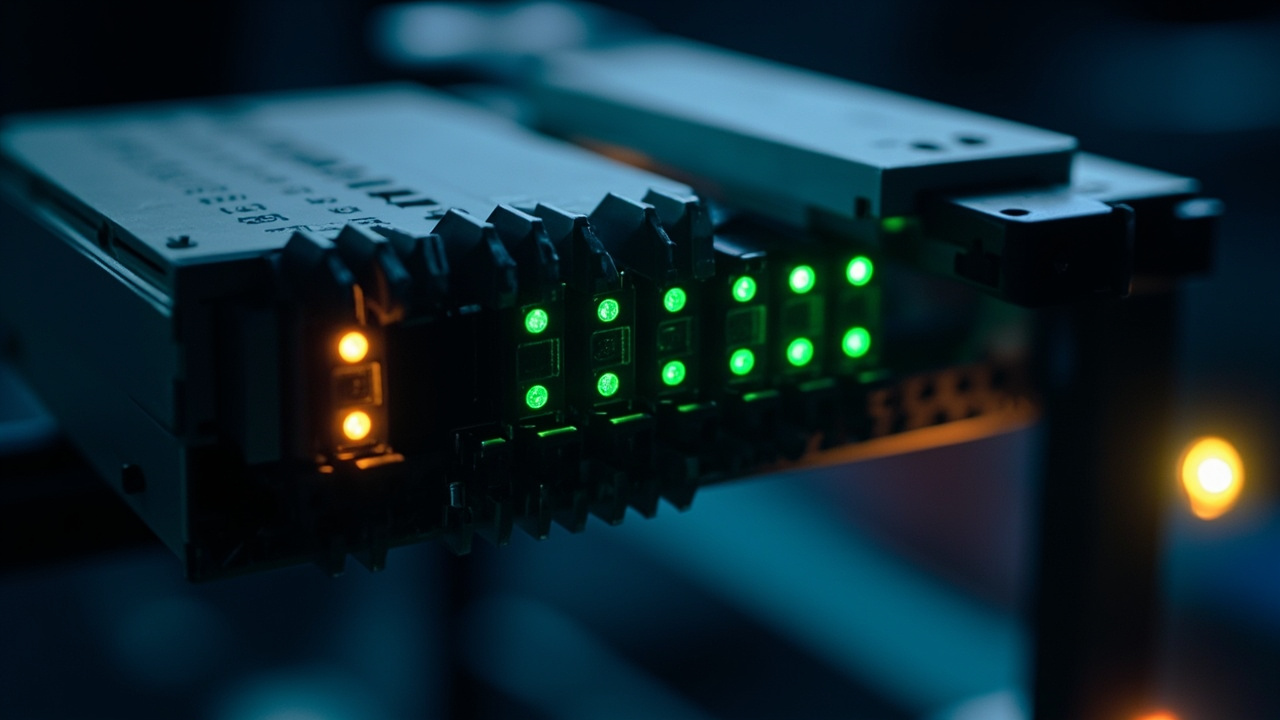
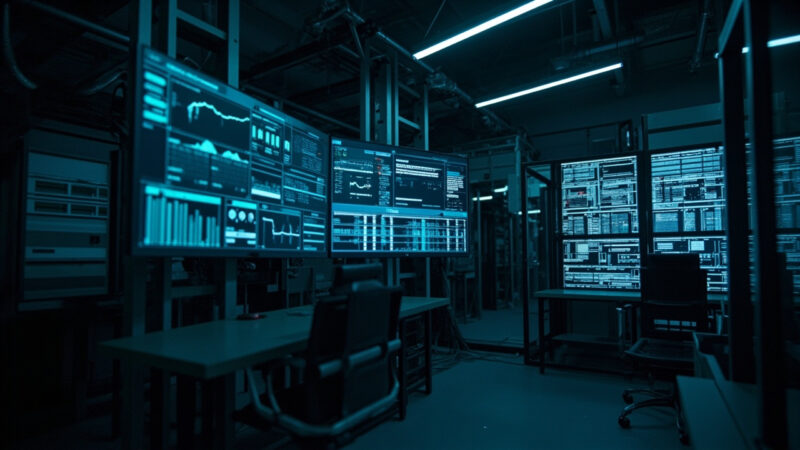
Edge on the industrial plant floor is not a small data center. It is a local processing layer designed so that the production line does not depend on a WAN link or the cloud. When latency or continuity matter more than centralized compute, edge is mandatory.
Three scenarios where edge is mandatory
- Sub-millisecond latency: robotic arm control, machine vision on the assembly line, functional safety systems. Any network latency prevents the control from working.
- Continuity in the face of WAN loss: if the plant cannot stop when the link to the central DC goes down, the critical systems must operate locally and sync afterward.
- Process data sovereignty: manufacturing information considered sensitive (formulations, recipes, quality data) does not leave the plant for intellectual property or regulatory reasons.
Typical components of an industrial edge
- IIoT gateway: industrial-grade equipment certified for plant environments (dust, vibration, temperature). Converts field protocols (Modbus, Profinet, EtherCAT) to TCP/IP.
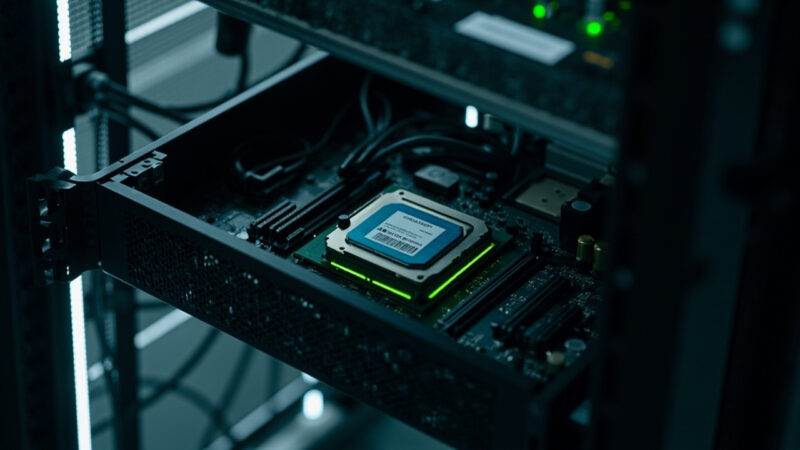
- Ruggedized edge server: server in compact form factor with extended temperature, vibration, and humidity tolerance. Brands such as Dell XR, HPE Edgeline, or Lenovo ThinkEdge.
- Micro data center on the plant floor: small rack with UPS, local cooling, and connectivity. Some clients install a 2-4 rack prefabricated module next to the line.
- Industrial connectivity: managed switches with real-time protocols (TSN) when network determinism is required.
Common mistakes in edge projects
- Thinking that edge replaces the central DC. It does not replace it: it complements it. Integration with the DC remains necessary for analytics, backup, and global visibility.
- Underestimating environmental conditions. An office server in a plant with temperature peaks fails in months. Use equipment certified for industry.
- Not planning remote management. Edge has limited technical staff on site. Remote administration (monitoring, updates, troubleshooting) is essential.
- Forgetting integration with existing systems. Edge coexists with SCADA, MES, ERP. Without integration, the data stays trapped and the edge does not generate value.
When it makes sense and when it does not
It makes sense: plants with 5+ automated lines, 24/7 operations with strict SLA, sensitive process data, or real-time analytics needs for quality.
It does not make sense: small plants with 1-2 manual lines, operations that tolerate seconds of latency, or no technical staff to maintain the edge. In these cases, centralizing in DC or cloud is more efficient.
Common implementation patterns
Three typical patterns: edge as filter (processes and discards data that does not need to go to the DC), edge as cache (keeps a local copy for real time, syncs with DC for backup), and edge as autonomous (operates independently during defined windows and syncs when WAN recovers).
The correct pattern depends on the criticality and direction of the data. For manufacturing with vision AI, the filter works. For critical process control, the autonomous pattern is necessary.
Applicable regulatory framework
IEC 62443 covers cybersecurity for OT systems. Even though edge is not pure OT, the best practices of IEC 62443 apply to any system connected to the industrial network.
For regulated sectors (food, pharmaceutical), good manufacturing practice standards (GMP, HACCP) require local traceability of process data, which favors edge architectures.
Sources
[1] IEC 62443 — Industrial communication networks / IT security — https://www.iec.ch/cyber-security
[2] ISO/IEC 22237 — Data centre facilities and infrastructures — https://www.iso.org/standard/63921.html
[3] IEC 61784 — Industrial communication networks (fieldbus profiles) — https://www.iec.ch/
[4] NIST — Guide to Industrial Control Systems (ICS) Security — https://csrc.nist.gov/publications/detail/sp/800-82/rev-3/final
Want to master this?
Noxtel Academy →