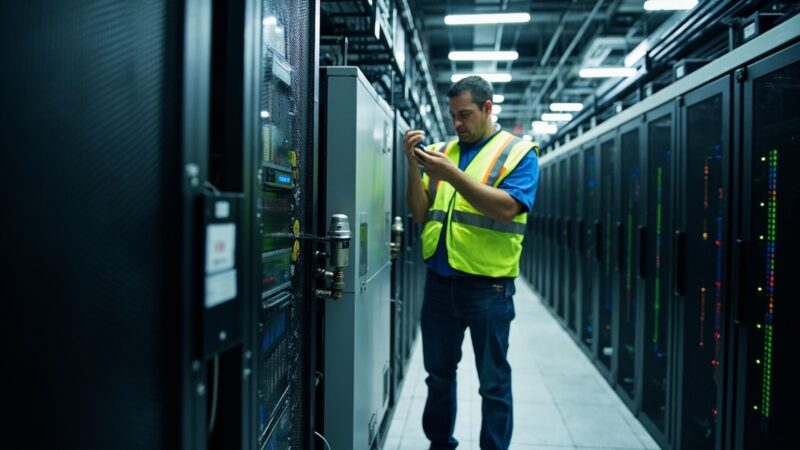
Challenges and Future of Liquid Cooling
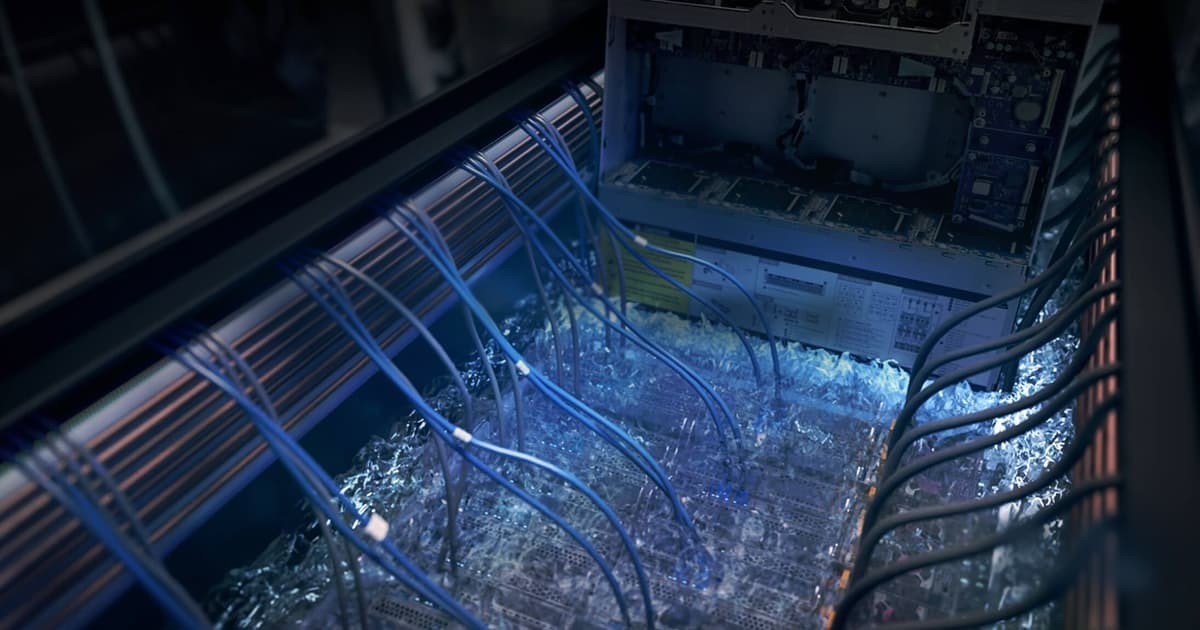
Although liquid cooling has many advantages, it also presents challenges. Upfront costs can be higher compared to air systems. In addition, personnel with new skills and experience are needed.
Installation can be more complex, especially with immersion. This can slow down work or make it difficult to change hardware quickly. Removing and cleaning cards for service can be complicated and expensive. There is also the risk of leaks that could damage the equipment.
Refrigerant regulations are constantly changing around the world.
The goal is to use fewer gases that warm the planet a lot. This leads to searching for new fluids with lower environmental impact. For example, by 2027, data center cooling equipment in the US will be required to use refrigerants with a GWP (Global Warming Potential) limit of 700.
Despite these challenges, liquid cooling is going from being a rare option to becoming more common.
It is important to remember that there is no single solution for all cases. The choice will depend on what each data center needs. Technology continues to improve to meet safety and efficiency standards.
Want to master this?
Noxtel Academy →