A SOC 2 Type II audit for your data center can run anywhere from 6 to 9 months and involve an investment of 1.5 to 4 million pesos, and 60% of the companies that attempt it fail on the first try for exactly the same reason: they treated the audit as a documentation project when it is an operations project. The audit does not evaluate whether your controls are written down; it evaluates whether those controls operated consistently over a period of 3 to 12 months. And in a DC in Mexico, most operators have neither the historical record nor the operational discipline to demonstrate it.
This article covers what a SOC 2 Type II auditor really looks for in a data center, which controls fail most often, and the 4 mistakes Mexican companies make by thinking their colocation provider already has them covered.
What SOC 2 Type II is (without the consultants’ gloss)
SOC 2 is an audit framework developed by the AICPA (American Institute of Certified Public Accountants) that evaluates the controls of a service organization in five categories: security, availability, processing integrity, confidentiality and privacy. Type I evaluates whether the controls are properly designed at a point in time. Type II evaluates whether those controls operated effectively over a continuous period, typically 6 to 12 months.
For a data center, the most relevant controls are physical security (site access, CCTV, biometric control), availability (uptime SLA, redundancy, incident management), and confidentiality (customer data management, logical segregation, encryption). The audit does not certify that your DC is secure in the abstract; it certifies that your controls operated consistently.
The 6 controls where data centers in Mexico fail
In audits of Mexican DCs, these are the controls that generate the most exceptions in the final report:
Physical site access log with photo, timestamp and who authorized the entry. The audit requires every visit to the data center to be recorded with evidence (visitor photo, verified ID, reason, who authorized it). In DCs where the facility operator is the same one that provides the service, this typically does not exist as a formalized control: there is a paper logbook or a digital log without a photo.
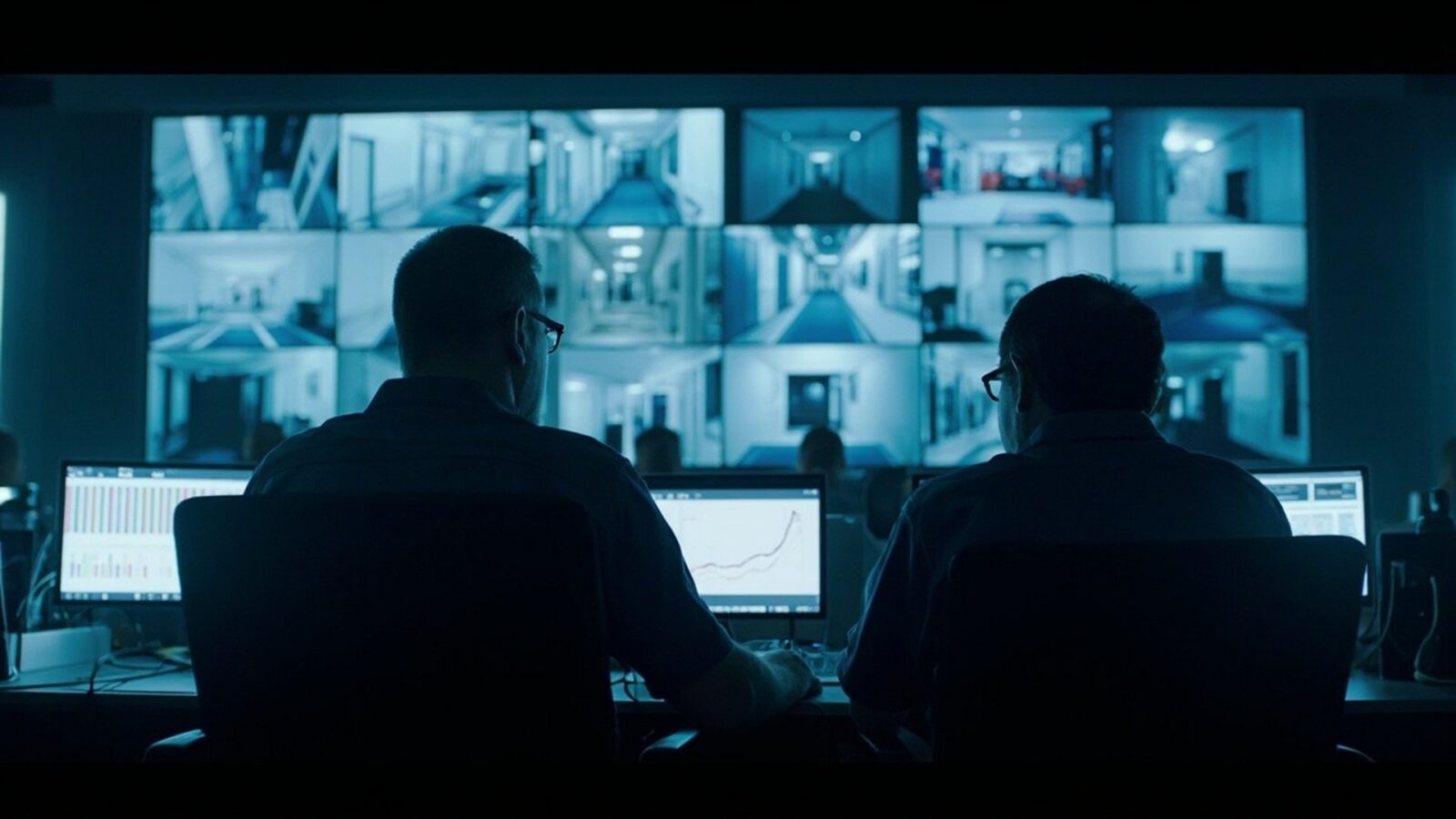
CCTV with a minimum retention of 90 days, synchronized timestamps and coverage without blind spots. The auditor will sample at least 30 events from the last 6 months and request the recording. If the camera was offline for 2 weeks and nobody noticed, that is an exception. If the recording was overwritten because nobody configured retention, worse.
Infrastructure changes documented with ticket, approver, change window and post-change evidence. This includes adding a server to a rack, changing the configuration of a switch, rebooting a UPS, or any modification of structured cabling. The audit requires traceability; the reality of many DCs in Mexico is that the technician makes the change and the documentation is updated later (or never).
Recovery (DR) tests executed and documented, with results and remediations. The auditor asks for evidence that the DRP is not just an 80-page Word document but is tested periodically. If your last DR test is more than 12 months old, it is an almost automatic exception.
Periodic review of security logs (at least quarterly) by personnel other than the ones who operate the system. The audit looks for segregation of duties: whoever operates the controls cannot be the same person who reviews them. In small DCs where one person does everything, this requires designing a segregation even if only a formal one.
Vulnerability and patch management with documented cadence. The audit requires seeing the last vulnerability scan, the date, the vulnerabilities found, the remediation plan, and evidence that the remediations were executed. A scan from 2 years ago with no follow-up is a serious exception.
The 4 mistakes I have seen in Mexican DCs attempting SOC 2
Assuming that your colocation provider’s SOC 2 covers you completely. Their report backs their facility controls, not the operation of your servers or the delivery to your customers. The provider’s SOC 2 covers THEIR controls. Your SOC 2 (as a client or as an operator) has to cover YOUR controls over the services you operate. If you manage the servers, the data and the delivery to the end customer, you need your own SOC 2 or a SOC 2 for your service layer. The provider’s is an input, not an output.
Hiring the auditor before the controls are operating. The correct sequence is: design the controls, run the controls for 3-6 months (to have evidence of operation), and then invite the auditor. The incorrect sequence is: invite the auditor, write the procedures the auditor wants to see, try to implement them while the audit has already started. The second approach almost always ends in a report with exceptions or in not obtaining Type II.
Underestimating evidence management. The Type II audit generates hundreds of artifacts: logs, tickets, approvals, photos, reports, configurations. Without a centralized evidence system (not SharePoint with 14 folders) the team loses 30-40% of the audit time looking for who has document X. Investing in a basic GRC (Governance, Risk, Compliance) tool, even an entry-level one, pays for itself in the first audit cycle.
Not involving the technical team until the audit has already started. SOC 2 controls are operated by the technical team, day by day. If they do not understand what is being audited or why, the controls degrade: the logbook is filled in badly, tickets are closed without documentation, patches are postponed. Operational adoption of SOC 2 is built BEFORE, not during.
What it really costs to pass SOC 2 Type II in Mexico
Three main line items, which most operators underestimate:
External audit (Big 4 or a boutique firm with DC experience): between 800,000 and 2,000,000 pesos for a medium-sized DC, depending on the complexity and the number of controls. It includes fieldwork, sampling, and report issuance.
Preparation advisory (optional but almost always necessary on the first attempt): between 400,000 and 1,200,000 pesos. A consultant with experience helps you design the controls, write the procedures, and train the team. It is not an expense, it is the difference between passing on the first attempt and spending double on the second.
Internal team time: typically 0.5 to 1 FTE over 6 months, plus 0.2 FTE during the audited period. If you outsource it entirely, you are not learning to operate the controls, and the next audit will be just as expensive.
The verdict
SOC 2 Type II is not a seal to sell; it is operational evidence that your data center operates with discipline. For data centers that serve enterprise clients in Mexico (banks, fintechs, retailers with card data, insurers), it has become an entry requirement for the RFP, not a differentiator. The question is not whether you will need it, but how much it will cost you not to have started operating it already. A DC without SOC 2 in 2026, in the enterprise segments, is simply not on the shortlist of providers. And the shortlist is where 80% of the contracts get signed.
Sources
[1] AICPA — SOC 2 Reporting on an Examination of Controls at a Service Organization — https://www.aicpa.org/topic/assuranceadvisory/soc-2
[2] ISO/IEC 27001:2022 — Information security management systems (crosswalk with SOC 2) — https://www.iso.org/standard/27001
[3] Uptime Institute — Operational Sustainability Tier Standard (overlap with SOC 2 availability) — https://uptimeinstitute.com/resources/asset/operational-sustainability
[4] NIST SP 800-53 Rev. 5 — Security and Privacy Controls for Information Systems and Organizations — https://csrc.nist.gov/publications/detail/sp/800-53/rev-5/final
[5] CNBV — General provisions applicable to credit institutions (obligations of DC providers) — https://www.gob.mx/cnbv