What is a medium voltage electrical service and why it determines if your data center can operate at 1 MW or stays at 200 kW
Classes of electrical service by voltage
An electrical service (acometida eléctrica) is the connection between the CFE distribution network and the data center’s electrical infrastructure. The class of service is determined by the voltage level of the connection, and the available voltage in a specific location determines the maximum power the data center can contract. A low voltage service caps the data center at a few hundred kW; a medium voltage service allows growth to several MW. The decision about what type of service to install is made at the design stage of the data center, and changing it later is very expensive.
In Mexico, the CFE classifies electrical services in three voltage ranges:
- Low voltage (baja tensión): 220 V phase-to-phase / 127 V phase-to-neutral, three-phase, four-wire. Used for residential and small commercial services. Maximum demand typically 50-150 kW per service.
- Medium voltage (media tensión): 13.8 kV phase-to-phase / 7.96 kV phase-to-neutral, three-phase, three-wire. The standard for industrial and large commercial services. Maximum demand 150 kW to 10 MW, depending on the CFE substation available in the area.
- High voltage (alta tensión): 34.5 kV, 60 kV, 85 kV, or 115 kV, three-phase. Used for very large users or for transmission. Available only near high-voltage transmission lines.
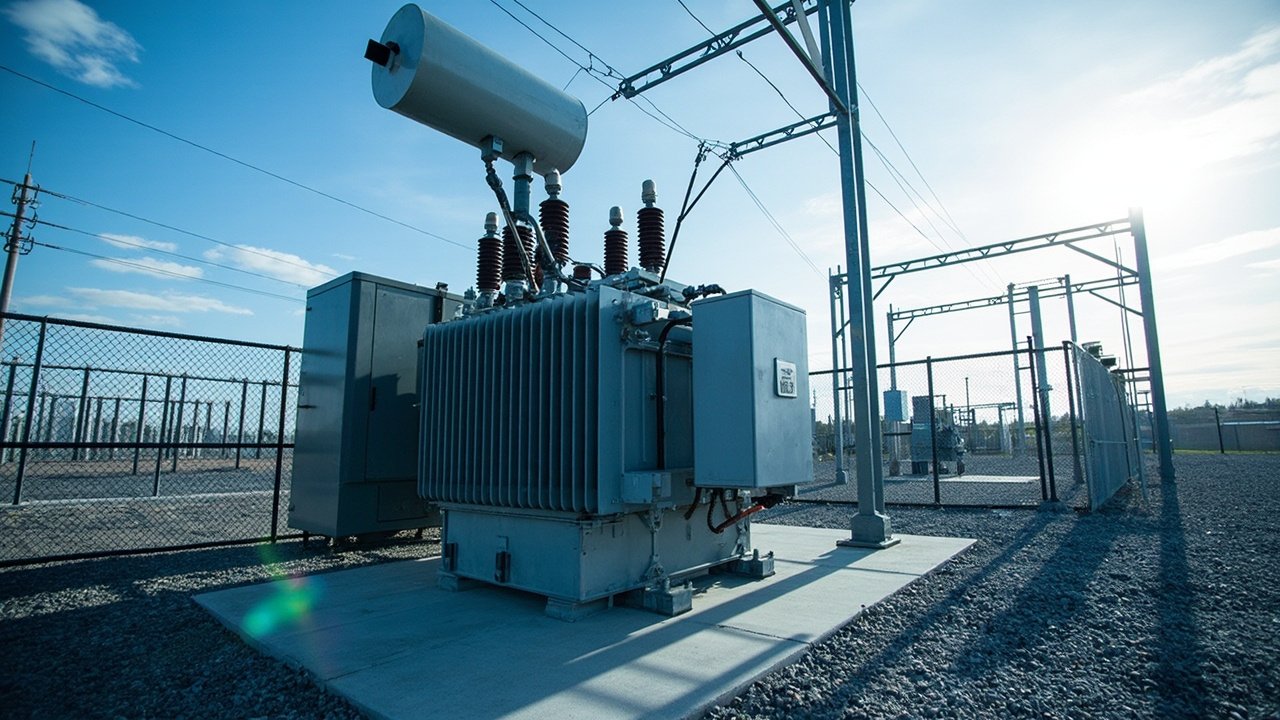
For a data center, the relevant decision is between low voltage and medium voltage. Low voltage is faster and cheaper to install but caps the capacity. Medium voltage requires a transformation substation on-site, with substation equipment, transformers, switchgear, and protection, but allows growth to MW scales.
The classes of electrical service and where each applies
The choice between low voltage and medium voltage depends on the contracted demand:
- Low voltage (220/127 V): for data centers with contracted demand below 150 kW. The service comes from the CFE distribution network at low voltage, with a metering panel and a main breaker. Installation is fast (1-3 months) and the cost is low (MXN $50K-200K). The limitation is the capacity: above 150 kW, CFE typically requires migration to medium voltage because the low voltage distribution transformer cannot supply more power without overloading.
- Medium voltage (13.8 kV): for data centers with contracted demand between 150 kW and 10 MW. The service comes from the CFE distribution network at medium voltage, with a transformation substation on-site that reduces to 480/277 V or 220/127 V for the data center distribution. Installation is slower (6-12 months) and the cost is much higher (MXN $3M-15M for the substation), but the capacity allows the data center to grow without changing the service.
For data centers in the 200 kW to 2 MW range, medium voltage is almost always the right choice. The installation cost is high, but the operational flexibility is worth it. For data centers in the 1-5 MW range, medium voltage is mandatory: low voltage simply cannot supply that power.
Why the medium voltage service defines the data center ceiling
The medium voltage service defines the data center ceiling because it determines the maximum contracted demand that the data center can request from CFE. Beyond a certain demand, CFE requires migration to a higher voltage or the construction of a dedicated substation. The migration is not just an upgrade: it is a different class of service, with different equipment, different costs, and different timelines.
A data center that starts with low voltage and grows beyond 150 kW faces a forced migration to medium voltage at the worst possible time: when the business is already operating and the migration implies a service interruption of weeks. The cost of the migration plus the cost of the lost business typically exceeds the cost of having installed medium voltage from the start. The decision is to install medium voltage from the design stage, even if the initial demand is only 100-200 kW, to avoid the forced migration later.
For data centers with a 10-year growth projection that exceeds 1 MW, the medium voltage service is not optional: it is the only way to meet the projected demand. The question is not whether to install medium voltage, but what size of substation to install and what capacity to contract initially.
What defines the availability of medium voltage in a specific location
The availability of medium voltage in a specific location depends on the CFE distribution infrastructure:
- Distance to the CFE substation: the data center must be within the coverage area of a CFE distribution substation. In urban areas, the substation is typically 1-5 km away. In industrial parks, the substation may be inside the park. In remote areas, the substation may be 10+ km away, which increases the cost of the connection.
- Available capacity in the substation: the CFE substation has a maximum capacity (typically 10-50 MVA). If the substation is at capacity, CFE cannot connect a new medium voltage service without expanding the substation, which can take 12-24 months and cost millions of pesos.
- Voltage level available: most CFE distribution substations supply 13.8 kV. Higher voltages (34.5 kV, 60 kV) are available only in areas with transmission infrastructure.
- Right of way: the medium voltage line from the CFE substation to the data center must cross public roads or rights of way. If the route crosses private property, easements must be negotiated.
- Permits and regulations: the medium voltage service requires permits from CFE, CRE, and in some cases municipal or state authorities. The permit timeline can add 3-6 months to the project.
The data center operator must verify the availability of medium voltage in the specific location before acquiring the land or signing the lease. A site that looks ideal in terms of location, size, and cost may not have medium voltage available, which caps the data center at a few hundred kW and makes it unviable for the planned operation.
The components of the medium voltage service
A medium voltage service has several components:
- Medium voltage line from CFE: aerial or underground, from the CFE substation to the data center. Aerial is cheaper but less reliable; underground is more expensive but more resilient to weather.
- Transformation substation: reduces the medium voltage (13.8 kV) to low voltage (480/277 V or 220/127 V) for the data center distribution. The substation includes the transformer, the medium voltage switchgear, the low voltage switchgear, the protections, the metering, and the auxiliary systems (lighting, ventilation, fire protection).
- Generator interconnection: the diesel generator must be interconnected to the low voltage switchgear through a dedicated ATS. The generator typically operates at 480 V or 220 V in three-phase.
- UPS interconnection: the UPS is connected downstream of the low voltage switchgear and feeds the critical load panels. The UPS can be at 480 V or 220 V input and output.
- Grounding system: the medium voltage substation requires a dedicated grounding system that meets NOM-001-SEDE and IEEE 80. The grounding system protects the equipment and personnel from fault currents and lightning.
- Protection and coordination: the medium voltage switchgear includes protections (overcurrent, differential, distance) that must be coordinated with the CFE protections upstream. The coordination study is a specialized engineering task that must be done before commissioning.
Each component must be sized for the maximum projected demand of the data center, with margin for growth. Resizing a substation after installation is much more expensive than sizing it correctly from the start.
The standards that apply
Medium voltage services for data centers in Mexico must meet several standards:
- NOM-001-SEDE: Mexican standard for electrical installations, based on the NEC. Covers the design, installation, and protection of the service.
- IEEE 80: guide for safety in AC substation grounding.
- IEEE 141 (Red Book): recommended practice for electric power distribution for industrial plants.
- IEEE 242 (Buff Book): recommended practice for protection and coordination of industrial and commercial power systems.
- IEC 61936-1: power installations exceeding 1 kV AC.
- CFE regulations: specific requirements of CFE for the connection of medium voltage services, including the metering, the protections, and the contractual conditions.
Compliance with the standards is not optional: CFE requires evidence of compliance before connecting the service, and the CRE can audit the installation at any time. The data center operator must work with an electrical engineering firm specialized in medium voltage to ensure compliance.
The sizing calculation for your project
The sizing of the medium voltage service depends on the contracted demand and the growth projection:
- Calculate the maximum demand: the sum of the connected loads multiplied by the demand factor and the simultaneity factor. For a data center, the demand factor is typically 0.7-0.9 of the connected load (since not all equipment operates at 100% simultaneously).
- Add the growth margin: the contracted demand should include 25-50% margin for growth. A data center that contracts 1 MW today and grows to 1.3 MW in 3 years will pay penalties for excess demand if it did not contract 1.3 MW from the start.
- Size the transformer: the transformer must be sized for the contracted demand plus 20-30% margin for peak loads. A 1.5 MVA transformer can supply approximately 1.2 MW of continuous load (1.5 MVA × 0.8 PF).
- Size the medium voltage switchgear: the switchgear must be sized for the short-circuit capacity of the CFE network (typically 250-500 MVA at 13.8 kV) and for the nominal current of the transformer.
- Coordinate the protections: the protections of the data center (circuit breakers, fuses, relays) must be coordinated with the CFE protections upstream. The coordination study is done with specialized software (ETAP, SKM, EasyPower).
The sizing of the medium voltage service is a critical decision that determines the maximum capacity of the data center. Undersizing caps the growth; oversizing increases the initial cost without operational benefit.
The special case of the data center that starts with low voltage and migrates
Some data centers start with low voltage because the initial demand is below 150 kW, with the plan to migrate to medium voltage when the demand grows. The migration involves:
- Contracting a medium voltage service with CFE (requires a study of availability and a construction project).
- Building a transformation substation on-site.
- Migrating the loads from the low voltage service to the medium voltage service, typically over a weekend with the data center in shutdown or with a temporary generator.
- Canceling the low voltage service with CFE.
The migration typically takes 6-12 months from the initial study to the commissioning, and costs MXN $3M-10M depending on the size of the substation. During the migration, the data center operates in a vulnerable state: the loads are being transferred between two services, and any error can cause an unplanned interruption.
For data centers with a growth projection that exceeds 150 kW in the first 3 years, the medium voltage service from the start is almost always more economic than the migration. For data centers that will remain below 150 kW for 5+ years, the low voltage service can be a valid initial option.
What your next electrical RFP should ask
If the data center needs a medium voltage service, the questions that must appear in the RFP:
- Is there medium voltage availability in the specific CFE substation that serves the data center? What is the available capacity?
- What is the timeline for the connection of the medium voltage service? How long does the study, permits, and construction take?
- What is the cost of the medium voltage service, including the substation, the line, the metering, and the protections?
- What is the contracted demand that the data center will request? Does it include the growth margin?
- What is the power factor requirement? What penalties apply if the power factor is below 0.9?
- What is the reliability of the CFE supply in the specific location? What is the historical SAIDI (System Average Interruption Duration Index)?
- What is the procedure for migration from low voltage to medium voltage, if applicable?
- What is the procedure for the expansion of the contracted demand in the future? What is the cost and timeline?
- Does the data center need a dedicated CFE substation, or can it share the existing substation?
- What is the procedure for the coordination of protections with the CFE network? Who is responsible for the coordination study?
The answers to these questions determine whether the medium voltage service is feasible in the specific location, what the cost and timeline are, and what the long-term capacity of the data center will be.
Sources
- IEEE (1993). IEEE 80 Guide for Safety in AC Substation Grounding. https://standards.ieee.org/ieee/80/3777
- IEEE (1993). IEEE 141 Recommended Practice for Electric Power Distribution for Industrial Plants. https://standards.ieee.org/ieee/141/5684
- CFE (2024). Reglas de despacho y operación del Sistema Interconectado Nacional. https://www.cfe.gob.mx/regulacion/reglas-despacho
- CRE (2024). Resolución que establece las tarifas de transmisión para usuarios industriales. https://www.cre.gob.mx/resoluciones
- SENER (2025). Prospectiva del sector eléctrico 2025-2039. https://www.gob.mx/sener/acciones-y-programas/prospectiva-del-sector-electrico
Want to master this?
Noxtel Academy →