What Are Data Centers Used For?

In the age of digitalization, Data Centers play a fundamental role in the technological infrastructure of companies and organizations.
From storing information to enabling global connectivity, these centers are the backbone of modern technology. Below we explore what they are, what they are used for, and why they are essential in today’s world.
What Is a Data Center?
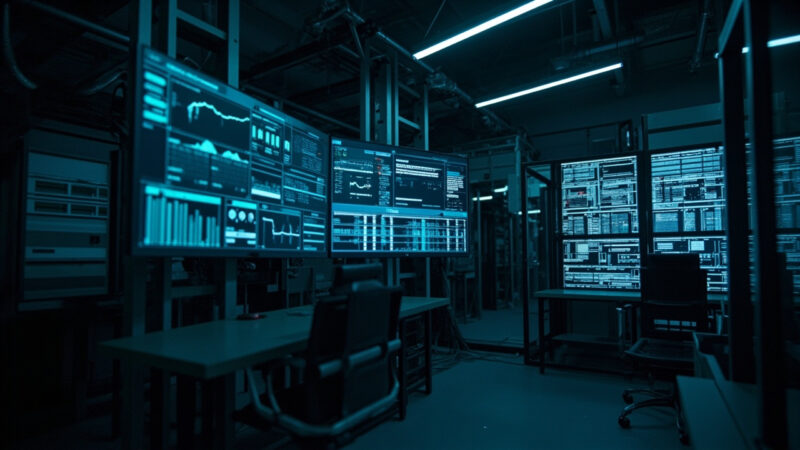
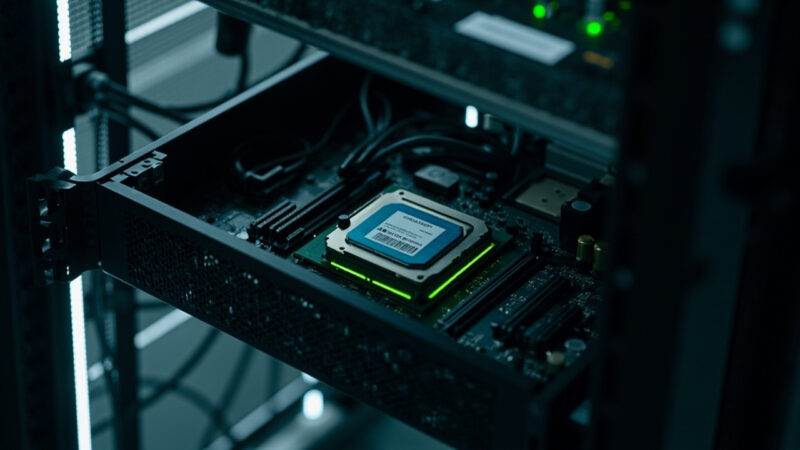
A Data Center is a physical facility that houses servers, storage systems, and communication networks to manage and process large volumes of information.
These centers are designed to deliver high availability, security, and redundancy, ensuring that data is always accessible and protected.
Main Functions of a Data Center
Data Centers serve several critical functions in the digital ecosystem. The most relevant in 2026 are:
1. Data Storage and Processing
Companies need to store large amounts of information: databases, multimedia files, backups. Data Centers provide the infrastructure to manage this information securely and efficiently.
2. Cloud Services Support
Most cloud services rely on Data Centers to store and process data. This lets users access their files and applications from anywhere in the world.
3. Web Hosting and Applications
The servers inside a Data Center allow websites and applications to run without interruptions. Global companies rely on this infrastructure to guarantee continuous availability.
4. Artificial Intelligence Training and Inference
Since 2023 Data Centers have also become compute hubs for AI: large model training, real-time inference, and machine learning services such as Amazon Bedrock, Azure AI, or Google Vertex AI.
This workload demands higher rack density and specialized liquid cooling. The traditional Data Center has changed forever.
5. Cybersecurity and Data Protection
Data Centers implement physical and digital security measures to protect information against threats like ransomware, AI-powered attacks, and technical failures.
6. Connectivity and Communication Networks
These centers enable global interconnectivity by managing traffic between devices, servers, and users. They are essential for the functioning of the internet and telecommunications.
Types of Data Centers
Depending on their function and ownership, Data Centers can be classified as:
Enterprise: operated by companies for internal use.
Colocation: spaces where different companies rent infrastructure.
Cloud: third-party infrastructure such as AWS, Microsoft Azure, or Google Cloud.
Edge: designed for real-time processing close to the end user.
Modular / Prefabricated: pre-engineered solutions delivered on site for rapid deployments.
Data Centers are an essential part of modern digital infrastructure. Without them, connectivity, data storage, and cloud services would not be possible.
As technology continues to advance, Data Centers will keep evolving to deliver greater security, efficiency, and scalability.
If you have ever wondered how the internet works or where your cloud data is processed, the answer is in Data Centers: the pillars of the digital world.
Sources
[1] Uptime Institute — Global Data Center Survey 2025 — https://uptimeinstitute.com/resources/research-and-reports
[2] IEA — Data Centres and Data Transmission Networks — https://www.iea.org/energy-system/buildings/data-centres-and-data-transmission-networks
[3] ASHRAE — TC 9.9 Mission Critical Technologies — https://tc0909.ashraetcs.org/
[4] TIA — ANSI/TIA-942 — https://tiaonline.org/product/ansi-tia-942/
Want to master this?
Noxtel Academy →