The Intelligent Future: AI and Automation in Data Center Operations

Data centers, pillars of our digital infrastructure, are undergoing a profound transformation. Artificial intelligence and automation are no longer futuristic concepts, but essential tools to achieve optimal uptime, improved efficiency, and robust predictive maintenance.
Historically, the management of a data center was a labor-intensive process, requiring constant human supervision. However, as the complexity and scale of data centers have grown, the integration of AI-driven monitoring systems and automation tools is enabling a key transition: from reactive to proactive management.
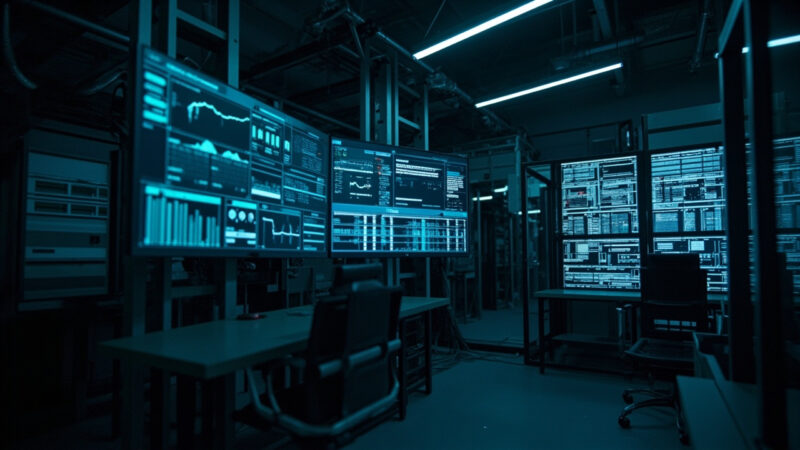
Traditional maintenance strategies often result in unplanned downtime. With AI and automation, data centers can analyze large volumes of data in real time. This allows them to identify anomalies, predict potential failures, and even initiate corrective actions before problems escalate. For example, AI algorithms can monitor temperature fluctuations, power consumption patterns, and hardware performance metrics to detect early signs of wear or imminent failures, which is crucial for preventing unexpected outages.
Downtime in a data center can have serious financial and operational consequences. AI systems monitor systems in real time, and when potential problems are detected, automation systems can trigger immediate responses, such as reallocating workloads or adjusting cooling settings, to prevent outages. This real-time intervention not only improves uptime, but also minimizes the need for manual intervention, allowing IT staff to focus on strategic tasks.
Furthermore, human error is one of the most common causes of incidents in data centers. By automating routine tasks and decision-making processes, the risk of errors is significantly reduced, ensuring consistency and reliability.
Artificial intelligence and automation act as complementary forces. While AI provides the insights necessary for predictive maintenance, automation plays a crucial role in acting on those insights. Once an AI system identifies a potential problem, automation tools can automatically initiate a series of corrective actions.
Remote monitoring and control are indispensable tools that allow IT administrators to supervise and manage critical infrastructure from any location. They use advanced sensors, intelligent power distribution units (PDUs) and centralized management platforms to track environmental conditions, power usage, and security events in real time. This not only improves operational efficiency and security, but also generates cost savings by optimizing energy use and minimizing unnecessary site visits.
Although the AI-driven era brings unprecedented efficiency and reliability, it also presents new challenges:
• Complexity and Integration Issues: The integration of AI-driven systems into existing data center infrastructures can be complex and costly, especially with legacy systems not designed for AI.
• Security and Compliance Concerns: Greater automation and AI integration can introduce new vulnerabilities, making data centers even more attractive targets for cyberattacks.
• Unexpected Cost Management: The initial investment in AI and automation can be substantial, with potential hidden costs in system upgrades, ongoing maintenance, and training.
The future of data centers points to smarter and more autonomous infrastructures, where the role of human supervision shifts from routine maintenance to strategic management and innovation.
Sources:
• Excerpts from “AI & Automation in Data Centers: Driving Efficiency, Uptime, and Predictive Maintenance”
• Excerpts from “Comprehensive Guide to Mastering Cost Management in Data Center Operations”
• Excerpts from “The Benefits of Remote Monitoring and Control – Monitoring & Control Systems – Vutlan”
Want to master this?
Noxtel Academy →