Solar Panels in Industry: 10 Things You Need to Know to Generate Your Own Energy
In the dynamic industrial world, efficiency and sustainability have become fundamental pillars for competitiveness.
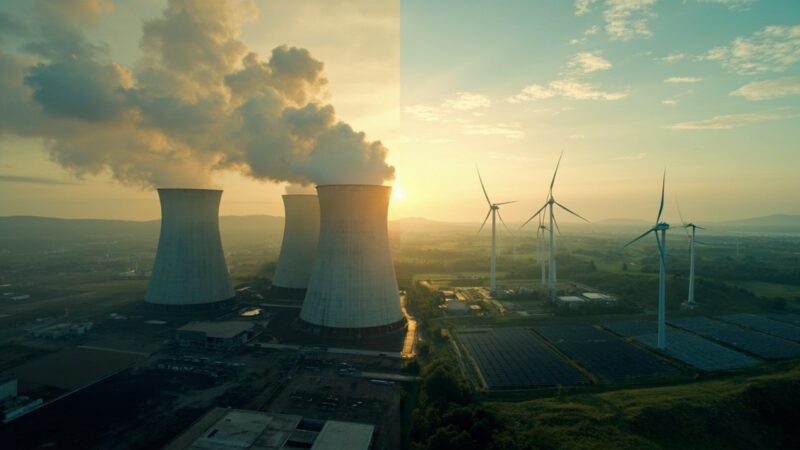
One of the smartest and most profitable strategies that companies are adopting is the generation of their own energy through solar panels.
Beyond a trend, it is a strategic investment with long-term benefits.
If you are considering taking the leap, here are 10 essential things you need to know.
1. Significant Savings in Operating Costs
The most direct reason for implementing solar panels is the drastic reduction in the electricity bill. By generating your own energy, you reduce dependence on the electrical grid and its fluctuating rates, freeing up capital that can be reinvested in other areas of your business.
2. Energy Independence and Price Stability
Imagine not worrying about unexpected increases in energy costs. An industrial solar system offers you a predictable and stable energy source, protecting you from market volatility and ensuring the continuity of your operations without surprises.
3. Tax Incentives and Subsidies Available
Many governments, both at the national and local level, offer attractive tax incentives, subsidies, deductions, and credits for companies that invest in renewable energy. These benefits can significantly reduce the initial cost of the investment and accelerate its return.
4. Carbon Footprint Reduction and Corporate Social Responsibility (CSR)
Adopting solar energy is a concrete step towards sustainability. It reduces greenhouse gas emissions, improving the image of your company as a socially and ecologically responsible player. This not only benefits the planet, but can also attract customers and talent who value sustainability.
5. Real Estate Asset Revaluation
Installing a solar panel system can increase the value of your industrial property. A building with an integrated renewable energy source is more attractive in the market and is considered a more modern investment, prepared for the future.
6. Simple Maintenance and Extended Life
Photovoltaic systems are known for their robustness and long useful life, which generally exceeds 25 years. They require minimal maintenance, mainly periodic cleaning and occasional reviews, which translates into low operating costs in the long term.
7. Storage Systems (Batteries) and Net Metering
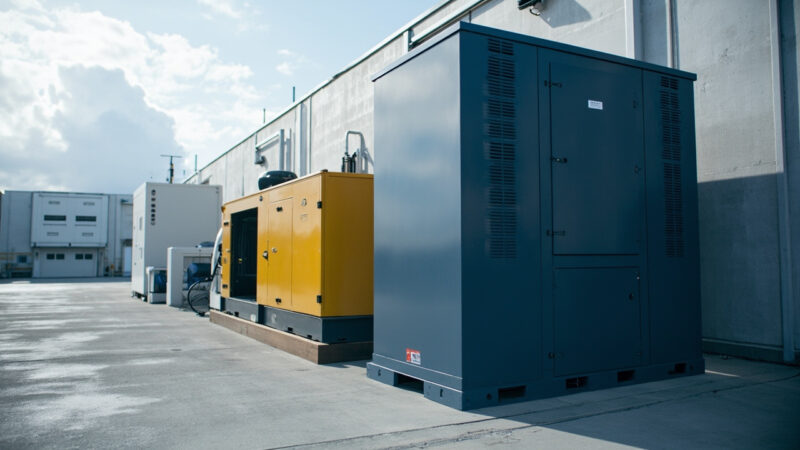
To maximize autonomy, consider integrating energy storage systems (batteries) that allow you to use solar energy even at night or on cloudy days. In addition, many countries offer “net metering” programs, where the surplus energy you generate can be sold to the grid, generating additional income or credits on your bill.
8. Adaptability to Various Types of Roofs and Spaces
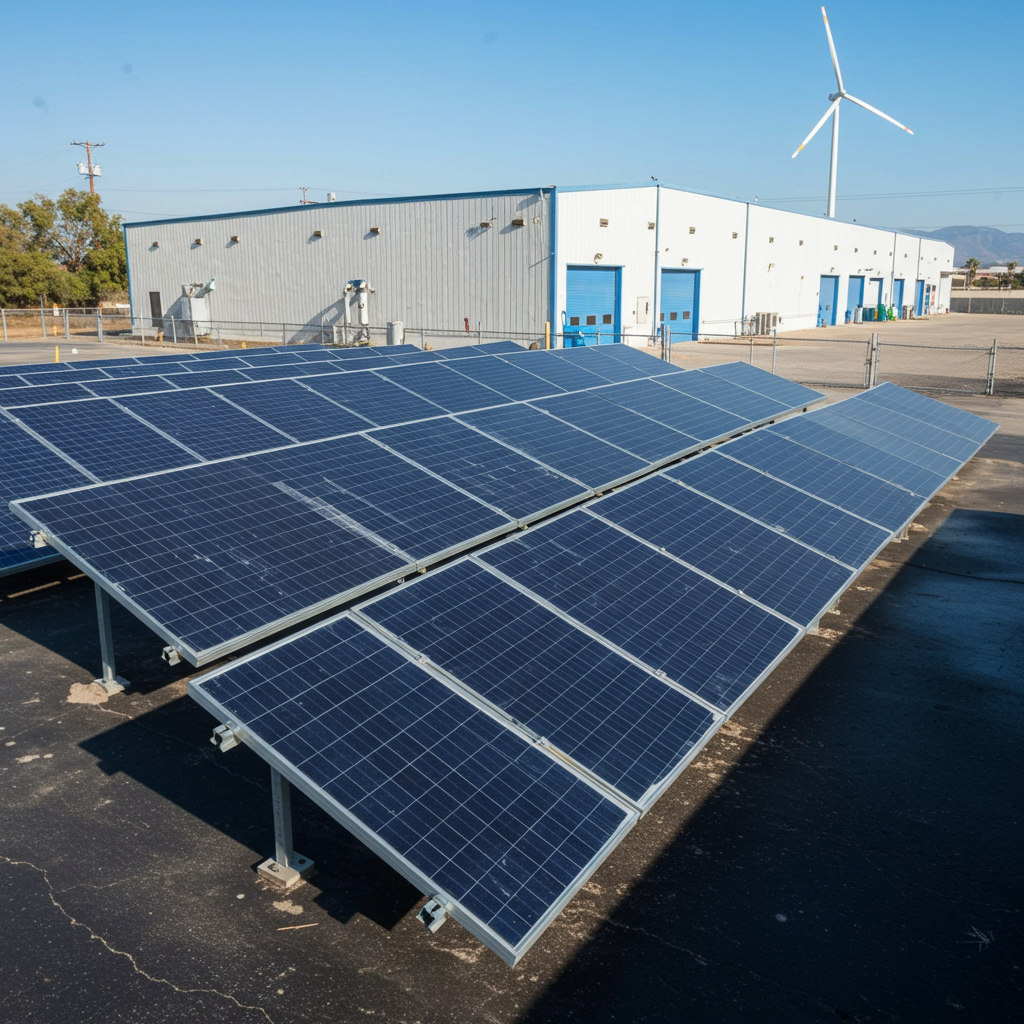
Solar panels can be installed on a wide variety of surfaces, from flat or inclined roofs of industrial warehouses to canopies in parking lots or adjacent land. The solutions are customizable to take full advantage of the space available at your company.
9. Profitability Analysis (ROI) and Payback Period
Before investing, it is crucial to carry out a detailed feasibility study. This analysis will provide you with the expected Return on Investment (ROI) and the payback period, which in many industrial cases is surprisingly short, often between 3 and 7 years, depending on location and consumption.
10. Technology in Constant Evolution
Solar technology does not stop advancing. Every year, panels become more efficient, more compact, and generally more affordable. Investing now means adopting a proven technology that continues to improve, ensuring that your system will remain relevant and efficient for decades.
Solar energy for industry is not just an environmental option; it is a smart business decision that offers substantial savings, stability, an improved corporate image, and solid preparation for the energy future.
It is time to take the reins of your energy consumption and start generating your own energy.
Want to master this?
Noxtel Academy →