Second life for UPS batteries: when it makes sense, when it is a risk
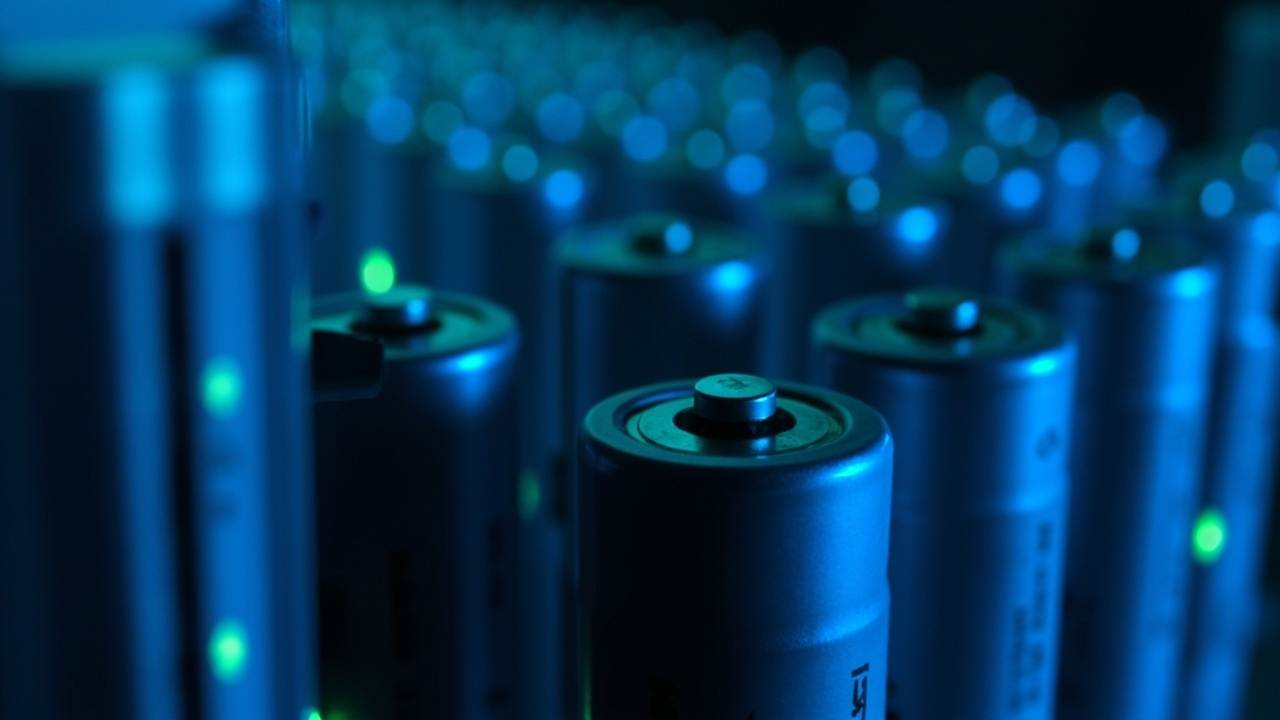
UPS batteries cannot be discarded as ordinary waste. They contain valuable materials (lead, lithium, electrolytes) that require specialized handling. At the end of their useful life there are three paths: recycle, second life, or regulated final disposal.
When to recycle (and when it is mandatory)
For VRLA (valve-regulated lead-acid) batteries, recycling is well established in Mexico. Smelters recover lead with high efficiency, and the process is economically positive thanks to the value of the metal.
When the battery shows swelling, electrolyte leakage, or irreversible capacity loss, recycling is the correct choice. There is no point in pursuing a second life for a battery that no longer delivers its nominal capacity.
VRLA recycling in Mexico operates under NOM-052-SEMARNAT, which classifies these batteries as hazardous waste. The carrier must be authorized and deliver a disposal manifest.
When second life makes sense
For lithium-ion batteries retired due to reduced capacity (80% of original) but still functional, a “second life” in less demanding applications (emergency lighting backup, off-grid systems) is viable. The key is individual testing of each module.
Operating criterion: if the battery retains 70%+ of its original capacity and passes impedance and internal resistance tests, it can be reused. Below that, recycling is safer and more economical.
Second life requires: individual traceability per module, a new monitoring system (do not reuse the old BMS), and clear labeling that the battery is second life. Without this, it is a safety risk.
The risk few size properly
Damaged or poorly tested lithium-ion batteries can catch fire. Lithium-ion fires are difficult to extinguish and release toxic gases. This has led to strict regulations in transport and storage.
The common mistake is treating second-life batteries with the same handling as new ones. It is not the same: degradation reduces the safety margin. Any second-life battery must be labeled as such and operated with an active BMS and continuous monitoring.
Regulatory framework in Mexico
NOM-052-SEMARNAT establishes the procedure for hazardous waste, including batteries. The General Law for the Integral Prevention and Management of Waste (Ley General para la Prevención y Gestión Integral de los Residuos) and its regulations define the generator’s obligations.
For lithium-ion batteries, the applicable NOMs are newer and still being updated. It is advisable to consult the UPS vendor about the collection program they offer, since serious manufacturers run take-back programs.
When it is economically worthwhile
For VRLA: recycling recovers value. For lithium-ion: second life makes sense when the cost of individual testing is lower than the savings of buying new modules, considering that 70% of original capacity meets the target application.
In operations with hundreds of batteries, structured retirement and recycling programs are mandatory. In small operations with few units, handling is usually event-driven.
How to choose a handling provider
- Verify SEMARNAT authorization for transport and disposal of hazardous waste.
- Request a final disposal manifest when receiving the service.
- For lithium-ion: confirm the provider has a specific protocol (do not treat as generic waste).
- For second life: request individual capacity reports per module and warranty on the reconditioned product.
Sources
[1] SEMARNAT — NOM-052-SEMARNAT-2005 (hazardous waste): https://www.gob.mx/semarnat
[2] Cámara de Diputados — General Law for the Integral Prevention and Management of Waste: https://www.diputados.gob.mx/LeyesBiblio/pdf/LGPGIR.pdf
[3] IEEE 1188 — Maintenance, Testing, and Replacement of VRLA Batteries: https://standards.ieee.org/ieee/1188/1333/
[4] Vertiv — Lithium-ion battery end-of-life program (vendor reference): https://www.vertiv.com/en-us/solutions/learn-more/lithium-ion-ups-batteries/