Regulations and Benefits: How Much Energy Does the Government of Mexico Allow You to Generate?
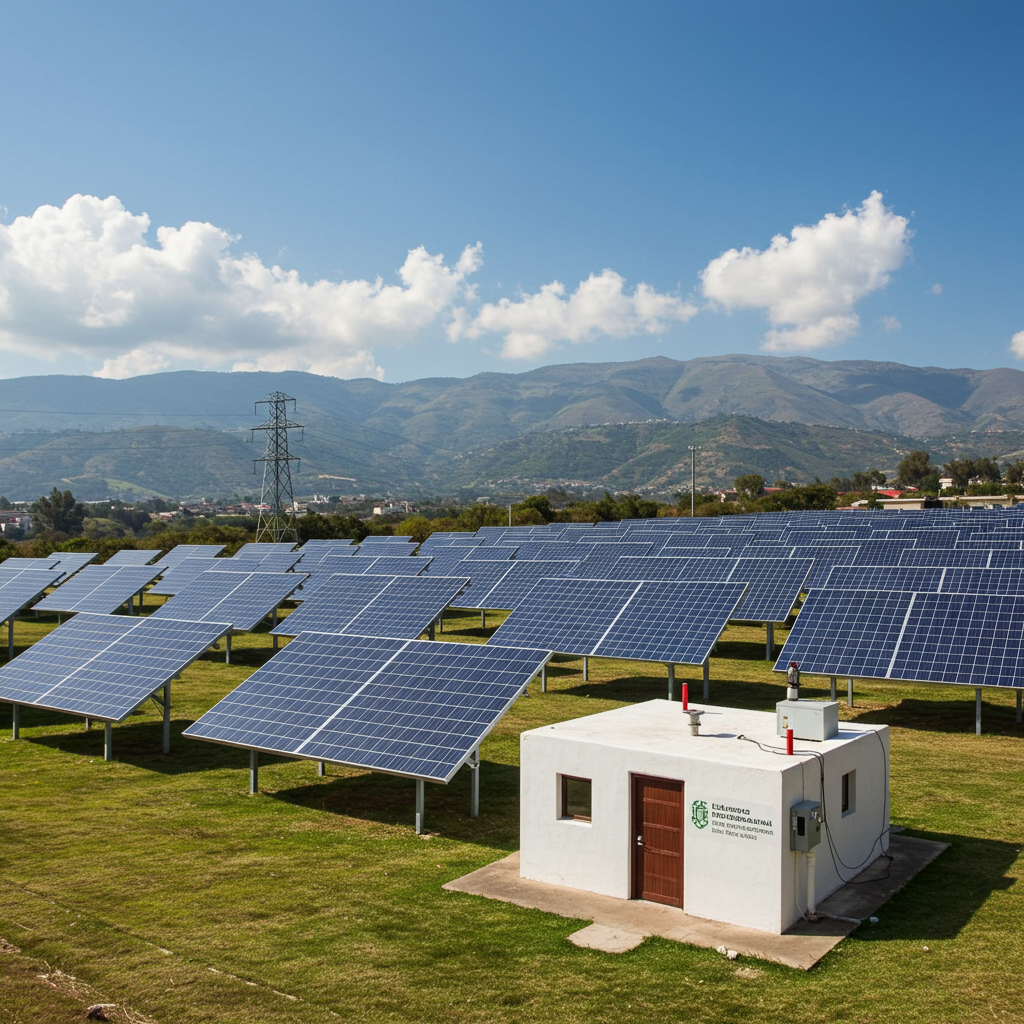
The pursuit of greater energy autonomy and environmental awareness have driven many Mexicans to consider generating their own electricity. However, a fundamental question arises: How much energy does the government of Mexico allow you to generate and under what conditions?
Mexico has a regulatory framework that allows distributed generation, facilitating that homes and businesses produce their own electricity and even inject surpluses into the grid under certain conditions.
The Energy Regulatory Commission (CRE) regulates this scheme and establishes the rules for the interconnection of photovoltaic systems and other renewable sources.
Key Regulations: Distributed Generation
The main scheme for self-generation in Mexico is Distributed Generation, defined as the generation of electrical energy that meets two essential conditions:
- It is carried out at or near the consumption site.
- It is connected to the general distribution grid, with a capacity not greater than 0.5 MW (500 kW).
Within this scheme, the most common modality is Net Metering. Under this modality, if you generate more energy than you consume in a period, the surplus is injected into the CFE (Federal Electricity Commission) grid and becomes a credit balance that is discounted in future consumption, measured in kilowatt-hours and with a 12-month validity.
Generation Limits: How Much Capacity Can You Install?
- Residential users: Generally can install a system that covers up to their average annual consumption, adjusted to available space and local solar radiation.
- Small and medium businesses: Also based on their historical consumption, but can size systems close to the 500 kW limit, always with interconnection studies and CFE approval.
Note: The actual size of the system will depend on energy demand, space for installation, and the grid’s capacity to receive surpluses.
Benefits of Generating Your Own Energy
- Reduction of electricity expenses: You can significantly reduce your costs, depending on consumption, rate, and system efficiency.
- Budget stability: Protects against unexpected variations in electricity rates.
- Environmental benefit: Contributes to the reduction of greenhouse gas emissions by using renewable energy.
- Energy independence: Greater control over your consumption and energy production.
- Return on investment: Solar systems can offer a return in the medium term, subject to consumption and installed capacity.
- Credits for surpluses: Excess energy accumulates as a credit balance for future bills, within the limits of Net Metering.
CFE Interconnection Process
- Hiring a specialized provider: A certified installer will advise you on the size and characteristics of the system.
- Interconnection request: Your provider will manage the request with CFE, submitting the necessary technical documentation.
- Feasibility study: CFE verifies that the system is safe and compatible with the local electrical grid.
- Contract signing: Once approved, the interconnection is formalized.
- Bidirectional meter installation: This meter records both the energy consumed from the grid and the energy injected.
The government of Mexico, through the CRE and CFE, allows homes and businesses to generate their own energy in a regulated manner, with limits that efficiently cover most residential and commercial consumption.
This modality offers economic, environmental, and energy independence benefits, provided the system is correctly sized and interconnection requirements are met.
Generating your own electricity can be an intelligent strategy to move towards more sustainable and controlled consumption.
Want to master this?
Noxtel Academy →