Key Strategies for Sustainability in Data Centers
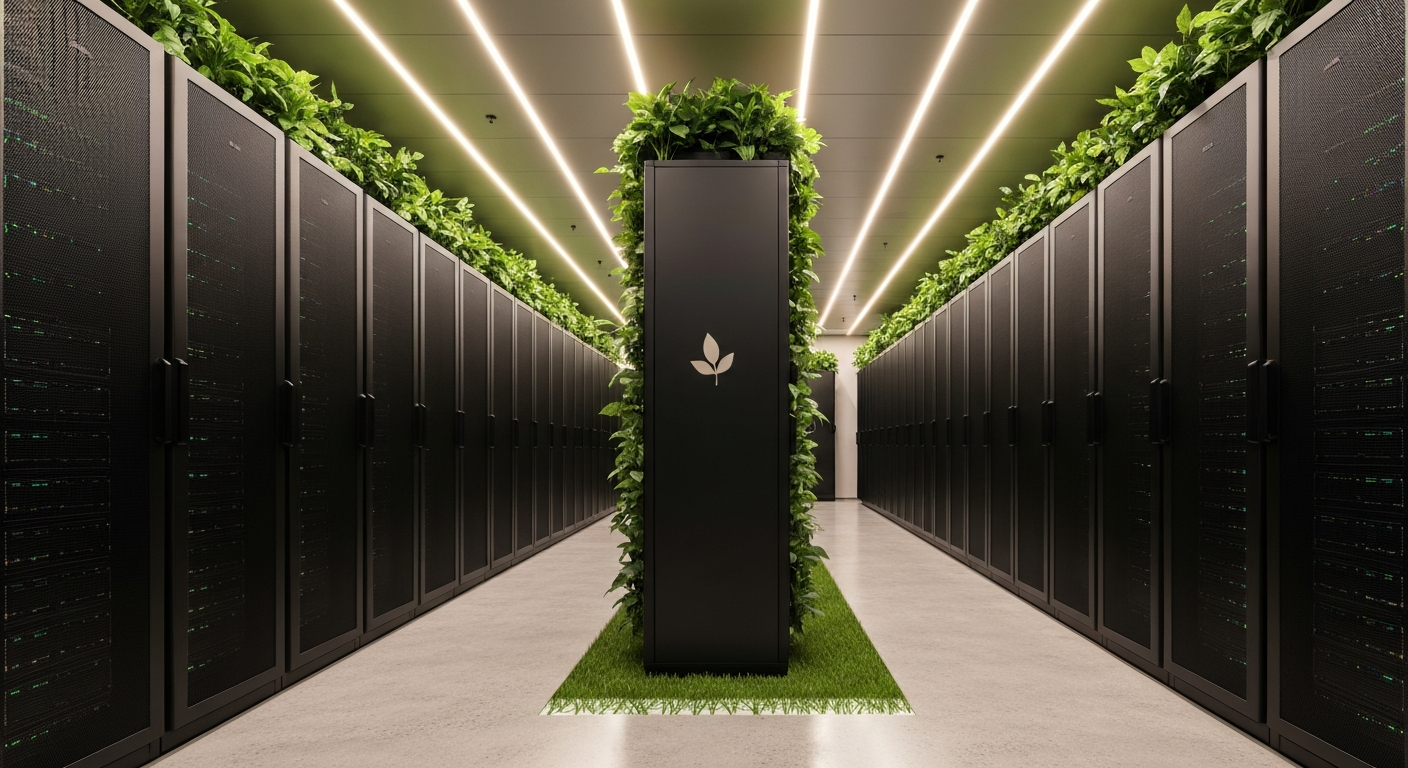
Adopting a sustainable approach requires a combination of strategies in design, operation, and management:
1. Energy Efficiency: The Fundamental Pillar
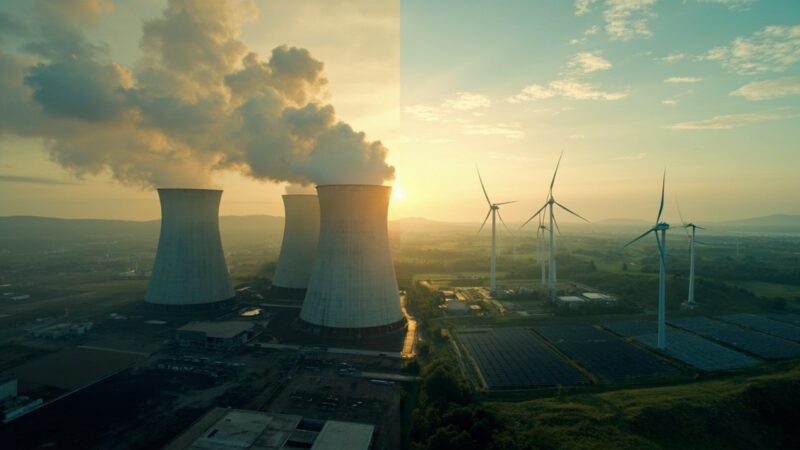
- Renewable Energy Sources: Use solar, wind, or hydroelectric energy, either directly through own facilities or through Power Purchase Agreements (PPA) with clean energy providers.
- Advanced Cooling Systems: Implement liquid cooling (immersion or direct-to-chip), free cooling systems (taking advantage of cold outside air), cold/hot aisle containment, and airflow optimization to reduce the energy consumed by cooling.
- Latest Generation Hardware: Invest in high energy efficiency servers, storage, and network equipment, designed to consume less energy per unit of performance.
- Virtualization and Consolidation: Maximize the use of existing hardware resources through server virtualization and workload consolidation, reducing the total number of physical equipment in operation.
- Energy Monitoring and Management (PUE/DCiE): Measure and optimize metrics such as PUE (Power Usage Effectiveness) to ensure that most of the energy is destined for IT equipment and not for auxiliary infrastructure.
2. Water Management
- Waterless or Low-Consumption Cooling: Prefer cooling systems that minimize water use, such as air-based or closed-circuit evaporative cooling systems, and reuse water whenever possible.
3. Waste Management and Circular Economy
- Hardware Recycling and Reuse: Implement rigorous recycling programs for equipment at the end of its useful life and explore refurbishment or donation options to extend hardware life.
- Sustainable Construction Materials: Use materials with low environmental impact, recycled or locally sourced in the construction and renovation of facilities.
4. Smart Design and Location
- Climate Utilization: Locate data centers in regions with cold climates to maximize the use of free cooling.
- Modular Design: Building data centers with a modular approach allows scaling capacity as needed, avoiding over-construction and unnecessary resource consumption.
Benefits of Adopting Green Data Centers
Investing in sustainability is not just a matter of corporate social responsibility; it also offers tangible benefits for organizations:
- Reduced Operating Costs: Lower energy and water consumption translates directly into lower bills, generating significant long-term savings.
- Improved Reputation and Brand: Demonstrating a commitment to sustainability attracts customers, investors, and talent that value responsible business practices.
- Regulatory Compliance and Competitive Advantage: Anticipating future environmental regulations and carbon taxes can generate a competitive advantage and avoid penalties.
- Greater Reliability and Performance: Efficient thermal management and the use of quality hardware can reduce the risk of overheating failures and improve overall performance.
- Access to Incentives and Green Financing: Some governments and entities offer tax incentives, grants, or loans with preferential rates for green infrastructure projects.
- Talent Attraction and Retention: Today’s professionals, especially the younger ones, seek to work for companies with a strong social and environmental commitment.
- Positive Environmental Impact: Contributing to the reduction of greenhouse gas emissions and more efficient use of natural resources.
Green data centers are not a passing trend, but an imperative necessity for the future of our digital infrastructure and the health of our planet.
Want to master this?
Noxtel Academy →