CCTV and Access Control: Pillars of Industrial Security
In the dynamic and often complex industrial landscape, security is not a luxury, but a fundamental necessity.
The protection of valuable assets, confidential data, and, most importantly, the integrity of your personnel, requires a robust strategy.
This is where CCTV (Closed Circuit Television) and Access Control become essential pillars to strengthen security in factories, offices, and any other industrial environment.
CCTV: Eyes That Never Sleep in Your Industrial Environment
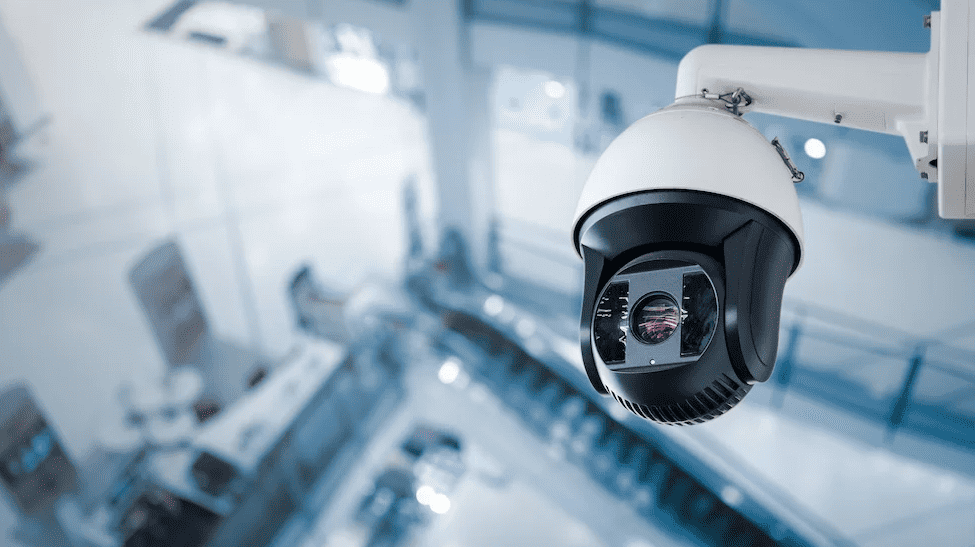
CCTV goes far beyond a simple surveillance camera.
These systems provide continuous monitoring and video recording, acting both as visible deterrence and as a tool for post-incident investigation.
Why is CCTV indispensable in industry?
- Threat Deterrence: The visible presence of cameras discourages potential intruders, vandals, or thieves.
- Real-Time Monitoring: It allows supervising activities in key areas such as perimeters, production lines, warehouses, and loading and unloading zones, identifying anomalies instantly.
- Irrefutable Evidence: Video recordings are crucial for investigations, insurance claims, and legal proceedings.
- Operational Optimization: It can be used to monitor production processes, ensure compliance with occupational safety regulations, and improve operational efficiency.
- Advanced Technology: Modern systems include video analytics (motion detection, facial recognition, object tracking), night vision, resistance to extreme conditions, and remote access from any device.
CCTV can be applied both to corporate office surveillance and to machinery monitoring in industrial plants, offering an additional layer of security and control.
Access Control: Managing Who Enters and Leaves
While CCTV shows you what is happening, Access Control determines who can be there and when. This technology allows restricting access to specific areas of your facilities, protecting sensitive areas and controlling the flow of personnel and visitors.
Key Benefits of Industrial Access Control:
- Restriction of Unauthorized Access: Only authorized personnel can enter restricted areas, such as server rooms, laboratories, vaults, or chemical storage zones.
- Detailed Record: Each entry and exit is recorded, providing an accurate history of who was where and when, ideal for security audits.
- Improved Personnel Safety: Ensures that only trained personnel access dangerous machinery or risk areas, reducing workplace accidents.
- Flexibility and Scalability: Modern systems allow assigning different access levels to different individuals or groups, and are easy to expand as your company grows.
- Elimination of Physical Keys: They reduce the risk of lost or stolen keys, and facilitate access management for temporary employees or visitors.
Modern systems include proximity cards, PIN codes, and biometric options, such as fingerprints or facial recognition, offering precise control over movements within the facilities.
The Perfect Synergy: CCTV and Access Control Together
The true strength of your industrial security strategy lies in the integration of these two systems. When CCTV and Access Control work together, a comprehensive security solution is created that far exceeds what each system can achieve on its own.
- Visual Verification: When someone uses an access card, the CCTV system can record the event or even capture an image of the user, allowing visual verification and preventing fraudulent use of credentials.
- Event-Triggered Alerts: A denied access attempt at a controlled door can trigger a CCTV camera to record the area, alerting security personnel to a possible threat.
- Centralized Management: Both systems can be monitored and managed from a single platform, simplifying operation and incident response.
- Resource Optimization: It allows focusing manual surveillance on areas that really require it, freeing security personnel for more complex tasks.
Implementing CCTV and Access Control in industrial environments is a key preventive measure that contributes to the protection of assets, data, and personnel.
The integration of these systems allows more complete supervision, improves security efficiency, and facilitates incident management.
Considering the implementation of these technologies with a tailor-made design is a fundamental step to strengthen the security and operational continuity of any industrial company.
Want to master this?
Noxtel Academy →