DCIM vs BMS vs EMS: the 3 management platforms that confuse 80% of operators
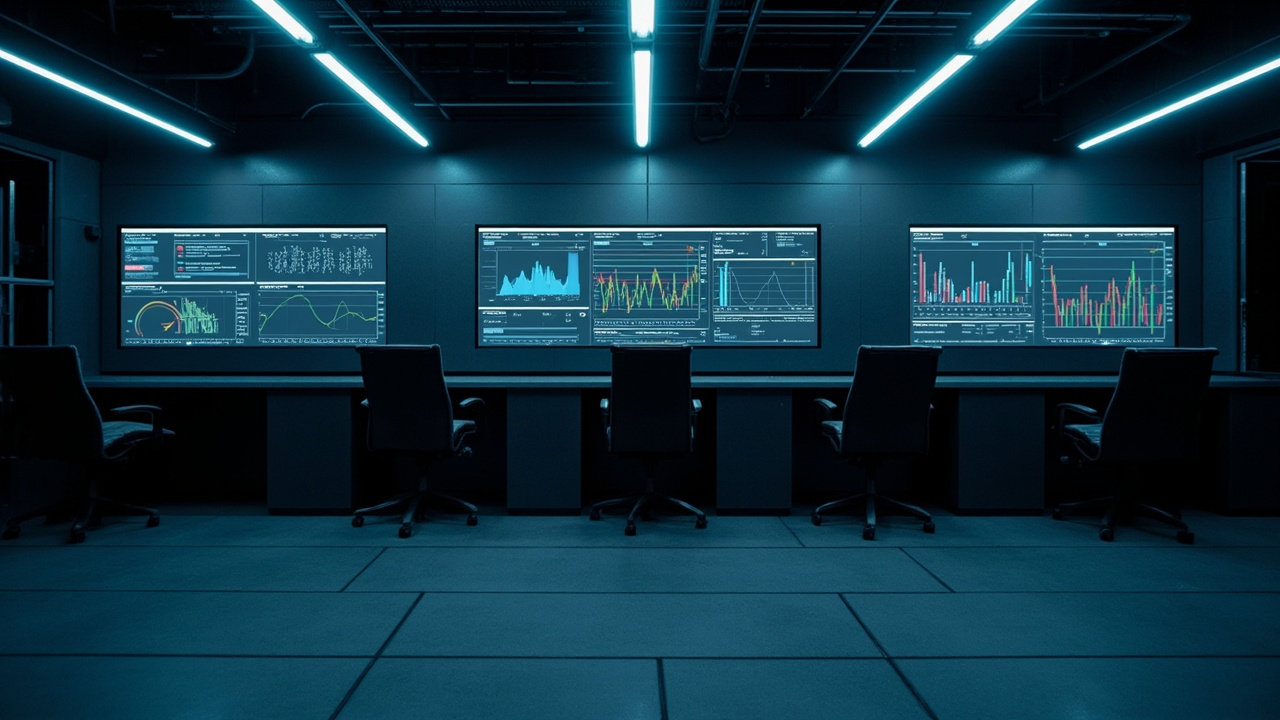
Three acronyms that appear in any data center software proposal: DCIM, BMS, EMS. The confusion between them generates overdesign and inflated costs, especially in Tier III and Tier IV sites where it is common for the facility provider to propose all three platforms installed in parallel. This article breaks down the real scope of each, the criteria for choosing, and how to avoid paying three licenses where a single platform covers more than one role.
What each platform is and what it is not
DCIM (Data Center Infrastructure Management) is the platform whose unit of measure is the site’s assets: racks, PDUs, UPS, generators, CRAC/CRAH, switches, fiber, copper, rooms, columns. Its goal is to give visibility on used vs available capacity, alert on operational risks, and plan changes. A typical DCIM integrates readings from Modbus, SNMP, and BACnet sensors into a hierarchical model of the site, and lets you manipulate metadata such as amperage, weight, depth, and connectivity. It is NOT designed for real-time physical process control.
BMS (Building Management System) is the platform whose unit of measure is the building’s mechanical and electrical systems: chillers, pumps, air handling, lighting, perimeter security, fire detection. Its goal is to control and coordinate the building’s behavior to maintain operating conditions (temperature, humidity, energy, security). It is NOT designed to manage the rack inventory or network connectivity.
EMS (Energy Management System) is the platform whose unit of measure is the kilowatt-hour, demand, and contractual parameters with the utility (CFE in Mexico). Its goal is to measure, record, and optimize electricity use, report to the utility according to the Measurement Standard and billing, and propose operational adjustments to reduce energy OPEX. It is NOT designed for mechanical process control or IT inventory management.
The 5 operational differences
Five points where the platforms diverge in practice:
- Data source: DCIM ingests mainly SNMP and Modbus TCP from IT equipment (switches, intelligent PDUs, rack sensors). BMS ingests BACnet, LonWorks, and Modbus from mechanical and electrical systems (chillers, air handlers, electrical panels). EMS ingests meter pulses and utility data in specific protocols (DNP3 over serial, IEC 61850 in substations, REST API for modern data loggers).
- Granularity: DCIM works at the individual rack and switch port level; BMS at the air handler and circuit level; EMS at the main meter, zone meter, and major equipment level (transformer, generator).
- Update frequency: DCIM refreshes every 1 to 5 minutes (IT sensors are slow and sufficient); BMS every 1 to 10 seconds (motor and damper control requires fast refresh); EMS every 1 to 15 minutes (meter data is usually cumulative readings).
- Primary audience: DCIM is used by IT operations management and capacity planning; BMS by facilities engineering and mechanical maintenance technicians; EMS by energy management and by the financial area (for OPEX reporting).
- Typical implementation cost (Mexico 2025-2026): commercial DCIM between USD $35,000 and $250,000 per site (licenses + integration, depending on number of assets per provider). BMS between USD $80,000 and $600,000 (complexity depends on number of I/O points). EMS between USD $25,000 and $150,000 (cheaper due to smaller scope, but requires integration with CFE for NOM reporting).
When you only need one platform
Three cases where a single platform covers more than one role:
- Colocation site under 200 kW contracted: a modern DCIM (Schneider EcoStruxure, Vertiv Trellis, Nlyte, Sunbird) typically includes an energy module with meter integration, sufficient to report to CFE and for basic control. BMS functions are limited to alerts.
- Tier I or II site with 1 to 3 air handlers and no substation integration: a typical BMS (Honeywell, Schneider BMS, Tridium Niagara) includes electrical energy reading and is sufficient for monthly OPEX; DCIM functions are covered with capacity spreadsheets.
- Site where the operator already has a robust BMS implemented and only needs energy: add a lightweight EMS (OSIsoft/AVEVA PI, Schneider PME, Schneider ION) that reads from the BMS and reports to CFE, without implementing parallel DCIM.
When you DO need all 3 implemented in parallel
Three cases where 3 separate platforms are justified:
- Hyperscale site with over 5 MW contracted: the complexity of IT inventory, mechanical systems, and energy optimization justifies specialized platforms in each domain with cross-layer integration.
- Certified Tier IV site with financial SLA for uptime: DCIM audits SLA compliance, BMS maintains mechanical operation, EMS documents energy efficiency. The three modules form evidence for external audits.
- Multi-tenant site with over 100 colocation customers: DCIM manages inventory per customer, BMS operates the facility, EMS bills energy to the customer by sub-metering. The separation is architecturally clean and financially justified.
The real case in Mexico: what the main operators do
KIO Networks operates its Tier III and Tier IV sites in Mexico with proprietary BMS + Schneider Trellis DCIM + EMS with CFE integration. Ascenty combines Honeywell BMS + Vertiv DCIM + Schneider PME as EMS. ODATA operates with Tridium Niagara BMS + proprietary DCIM in operation. Triara uses Schneider Trellis DCIM and combines it with third-party BMS.
The clear convergence: all 4 operators use specialized platforms per domain, not a single platform, on sites above 1 MW contracted. The commercial argument for a single platform (less vendor lock-in, native integration) collides with the operational argument (specialization, cleaner audit, supplier redundancy). For Tier III and IV sites in Mexico, the dominant pattern in 2026 remains 2 to 3 platforms in parallel with integration API.
Sources
- Uptime Institute: data center certifications, operational sustainability, and operator guides — https://www.uptimeinstitute.com/
- 7×24 Contacto: Mexican association for data center operational continuity — https://www.7x24contacto.com/solutions
- BICSI: standards for telecommunications infrastructure in buildings and data centers — https://www.bicsi.org/
- IFMA: International Facility Management Association (facility management) — https://www.ifma.org/
- NFPA: reference for fire protection in data centers (impacts DCIM and BMS scope) — https://www.nfpa.org/
Want to master this?
Noxtel Academy →